
It’s well-documented that finding publicly-available photos of members of Black communities throughout the United States prior to the 1950s, and even later in many instances, is difficult. Jacksonville is no exception to that fact. Even with the early financial success and cultural freedom people of color experienced in northeast Florida, suburban sprawl caught wind after both the Great Fire of 1901, which ripped through downtown and destroyed much of their land and livelihood, and later discriminatory policies. The development of primarily white neighborhoods like Riverside and Avondale in the early 20th century set the stage for an absence of people of color in documentary media produced in these affluent areas.
But that doesn’t mean they weren’t there.
“In the rise of the Jim Crow era,… there was an increase in photos taken to disparage the Black community and support white supremacy. Images of dehumanized bodies and lynchings were not uncommon and were used to demoralize those trying to advance their rights,” states the National Underground Railroad Freedom Center in a 2023 article, “Black Resistance: The Power of the Image.” Finding respectful, consensual photographs of Black people from the early 20th century is often challenging due to a combination of systemic racism in archiving, the expense of photography, and the intentional marginalization of Black life in mainstream media. While a vibrant, private record of Black life existed, it was often overlooked by, or hidden from, the dominant white culture, leading to significant gaps in public, accessible archives.
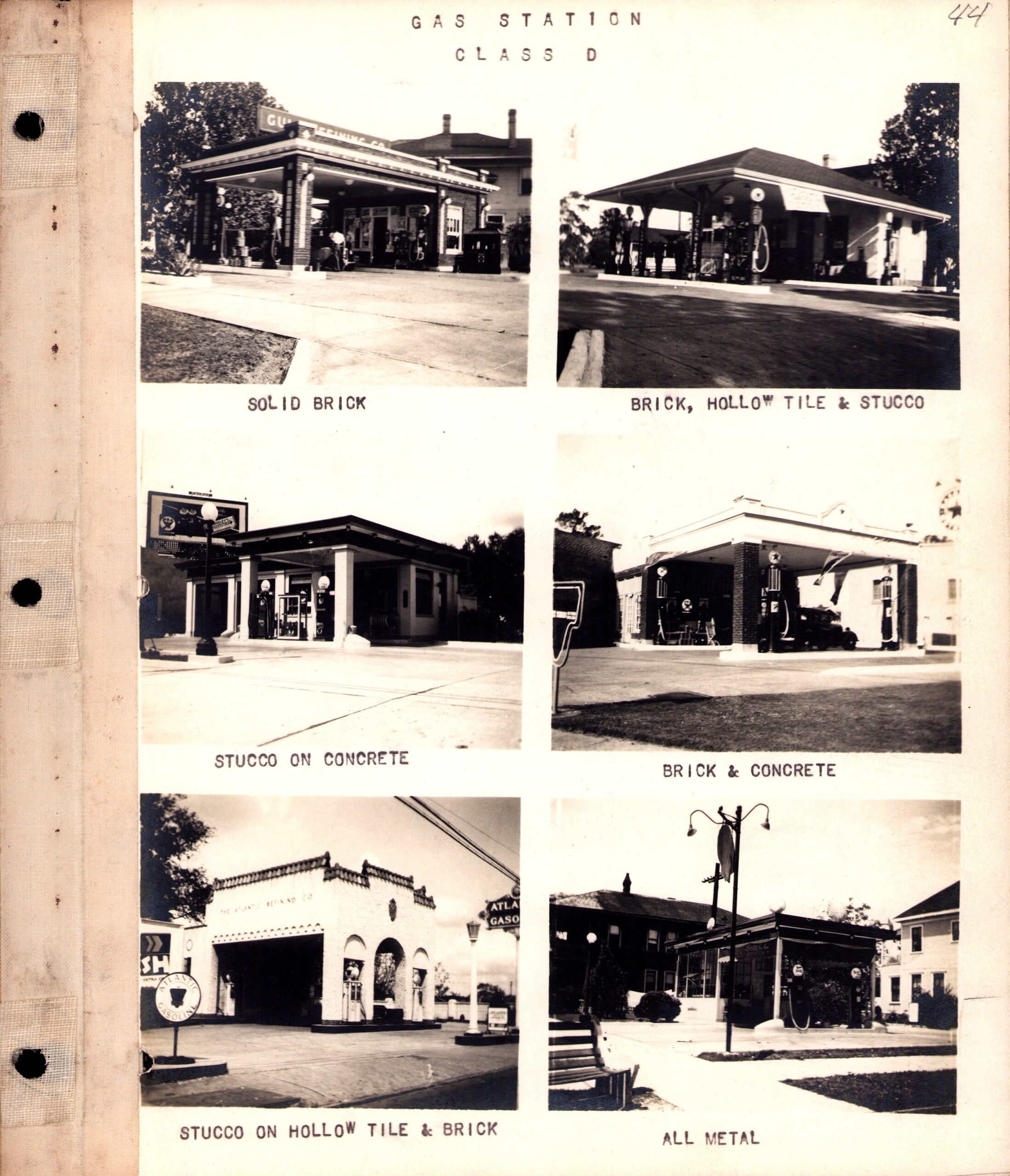
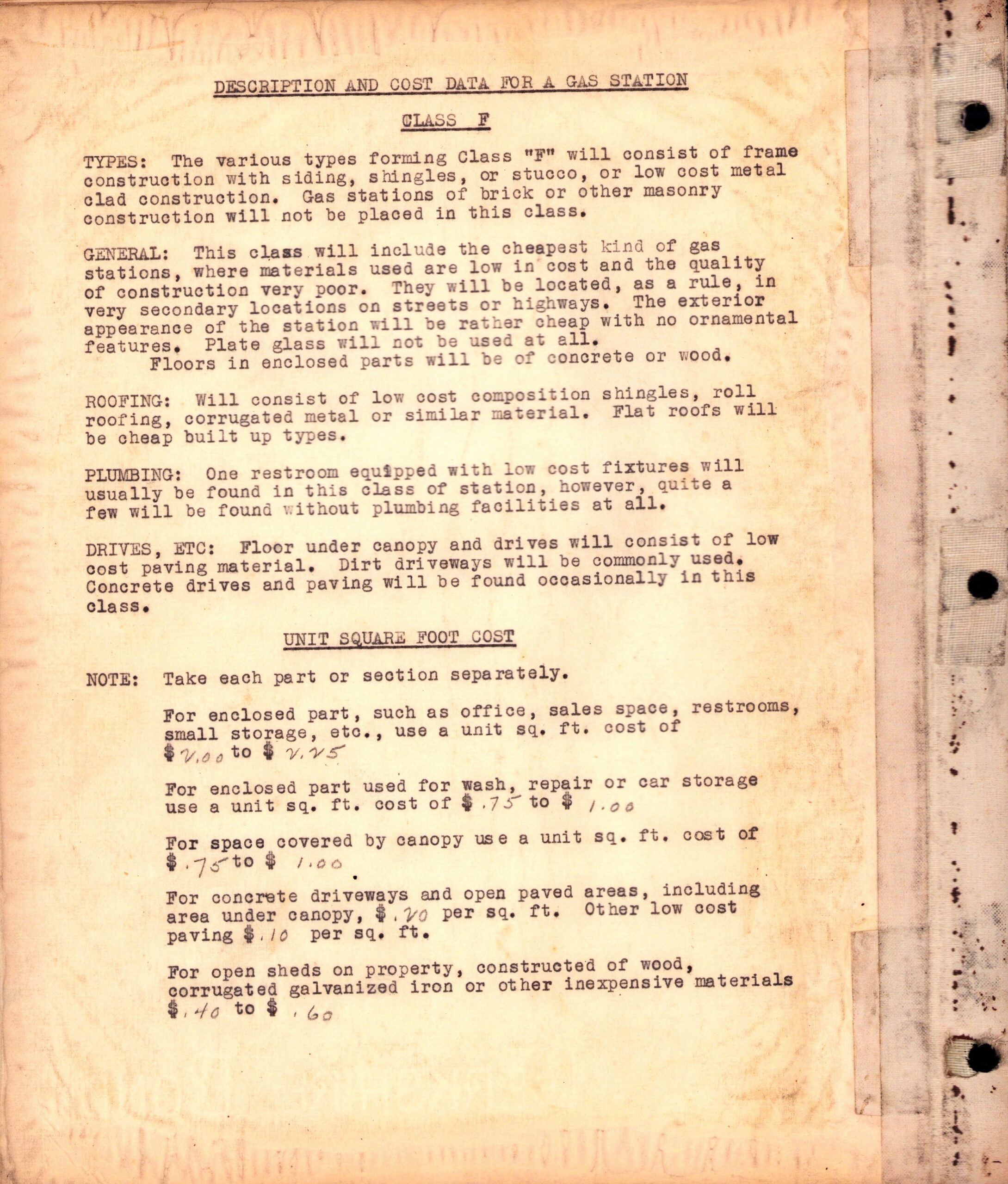
“Gas Station, Classes D and F,” Jacksonville property appraiser guidelines for assessing value, c. 1935.
Accordingly, images of Black citizens—largely living in the urban core and commuting to jobs in the service industry or domestic work—in early 20th-century Riverside and Avondale are not widely available, and the little that survive are in private collections. However, the RAP archives recently accessioned 87 pages of what is presumed to be part of the Jacksonville property appraiser guidelines for assessing value in the 1930s, judging by the cars.
While the property types represented, both residential and commercial, span large swathes of developed Jacksonville, not just Riverside and Avondale, the pages are an enlightening window into, not only architectural history, but everyday life for the city’s population of the time. Notably, Black Jacksonvillians are candidly captured, albeit in the margins, going about their day. Poorly exposed and often blurry as pedestrians passed quickly by the lens, the photographs could be an exhibition in themselves.
They portray real people whose lives mattered, people who stepped where we step today. May we remember them with honor this Black History Month.
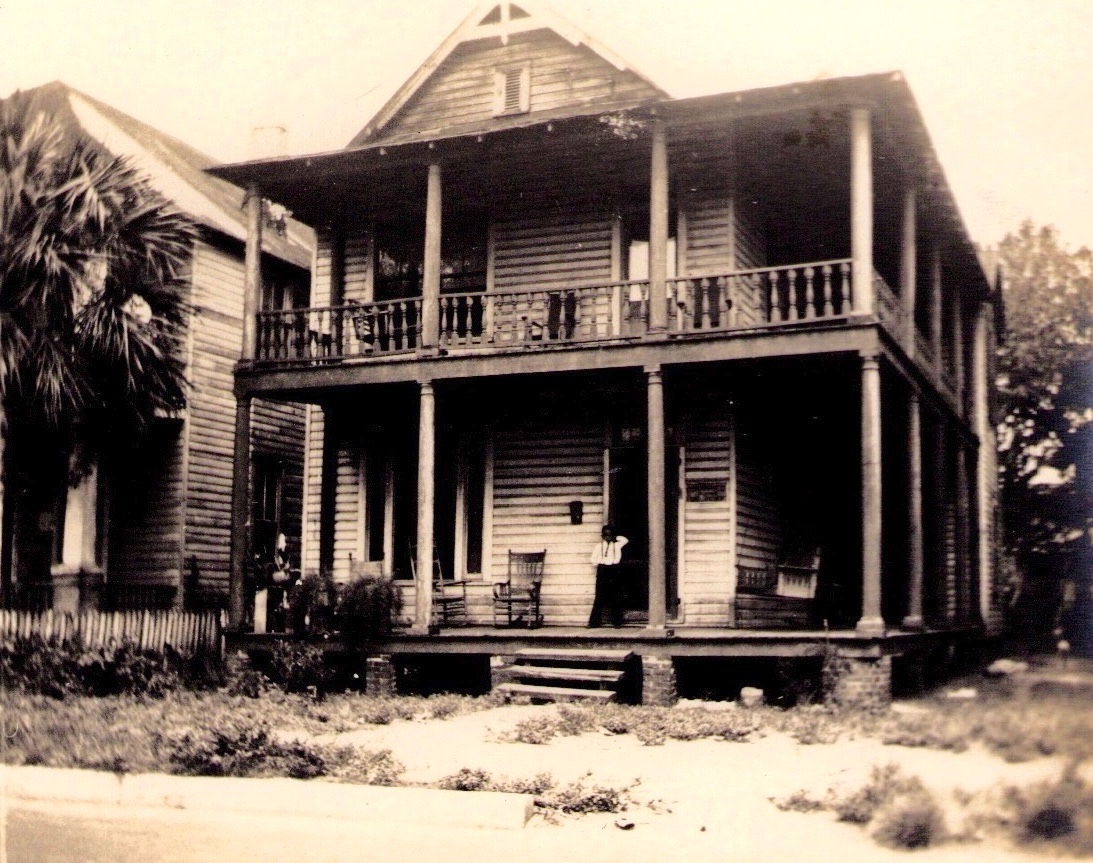
“Two Story Residence, Class F, Frame” page 30, Jacksonville property appraiser guidelines for assessing value, c. 1935.
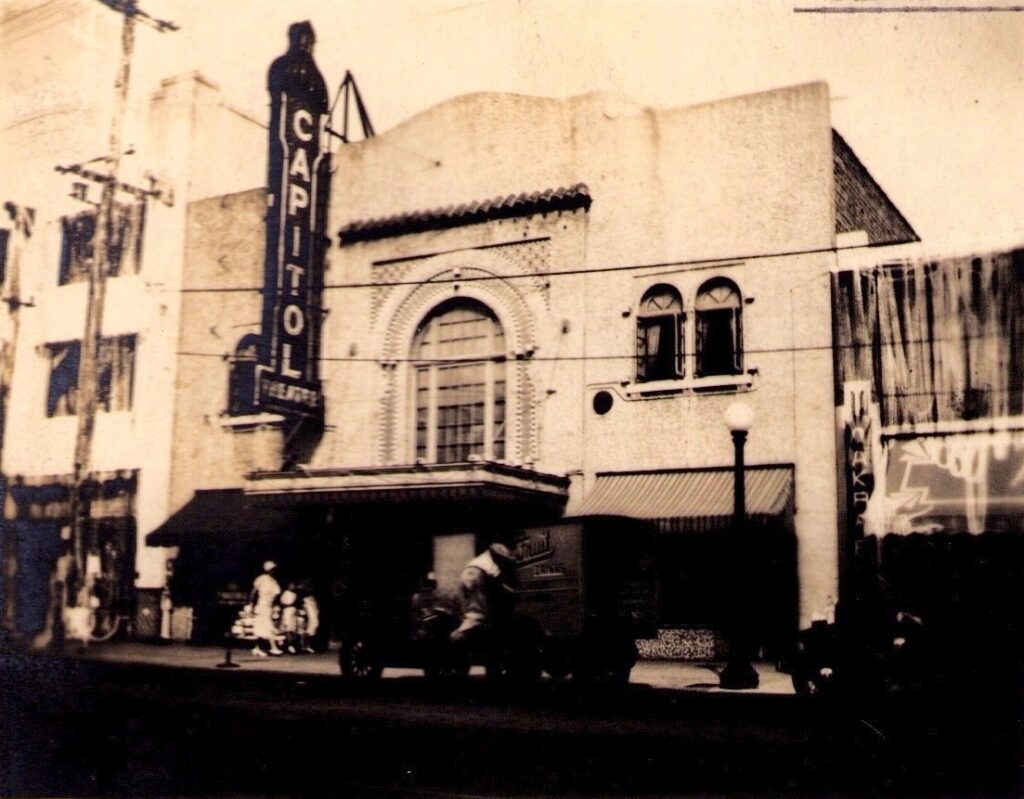
“Theatre Buildings, Class C, Type 2,” page 32, Jacksonville property appraiser guidelines for assessing value, c. 1935.
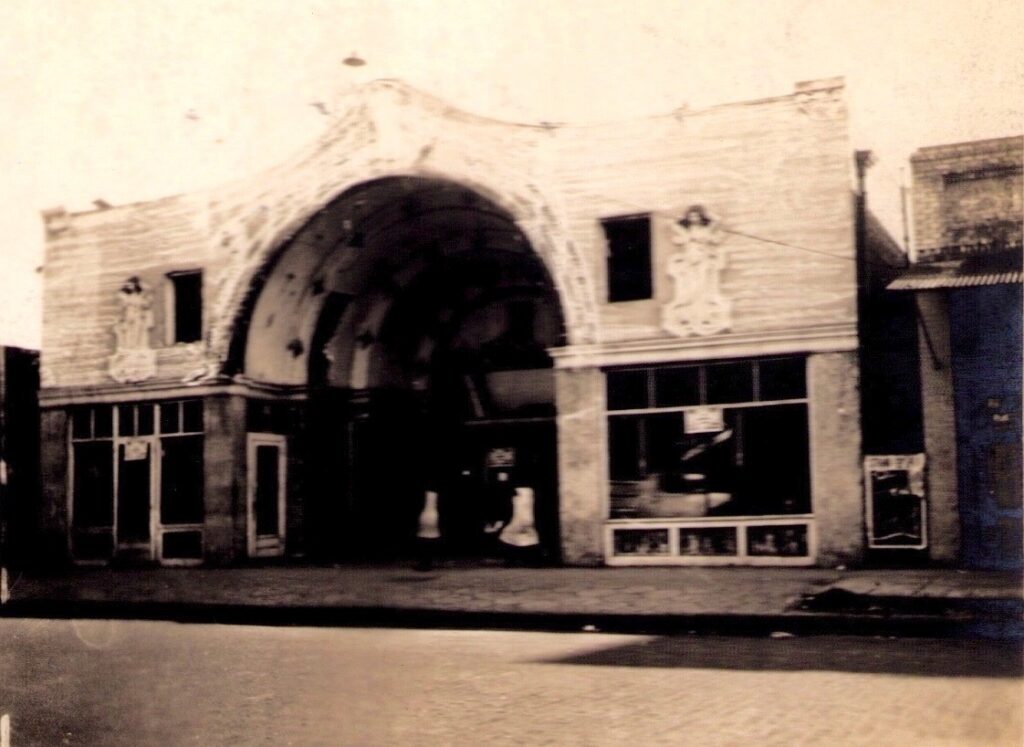
“Theatre Buildings, Class E, Type 2,” page 33, Jacksonville property appraiser guidelines for assessing value, c. 1935.
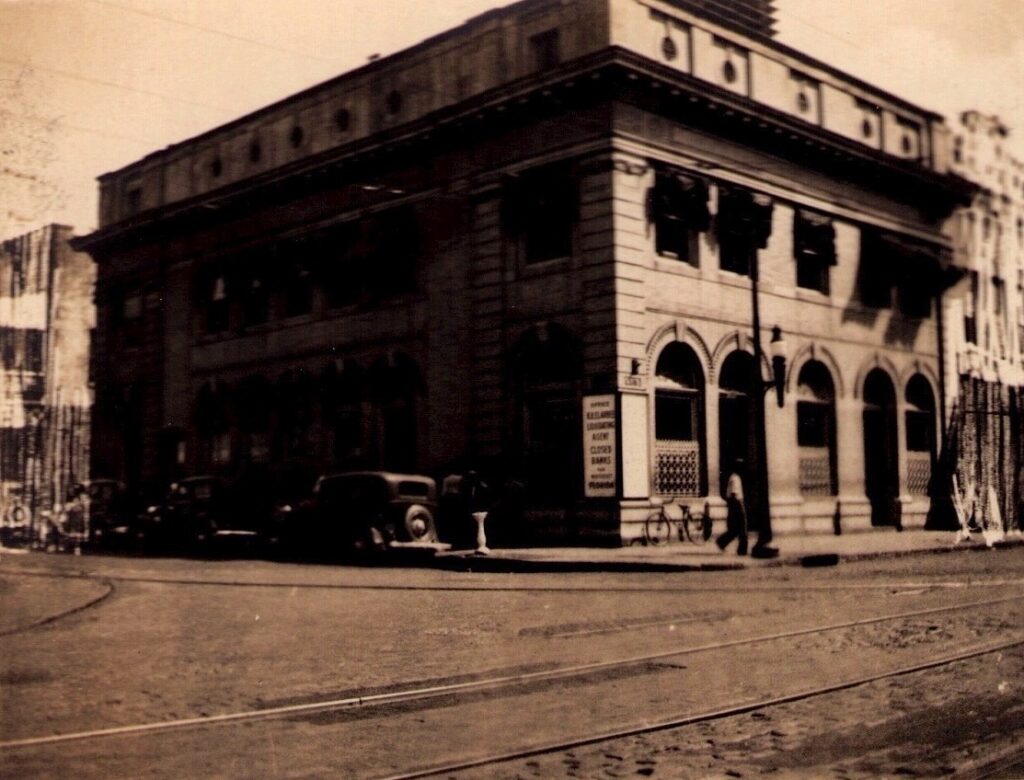
“Bank Buildings, Class C, Type 1,” page 35, Jacksonville property appraiser guidelines for assessing value, c. 1935.
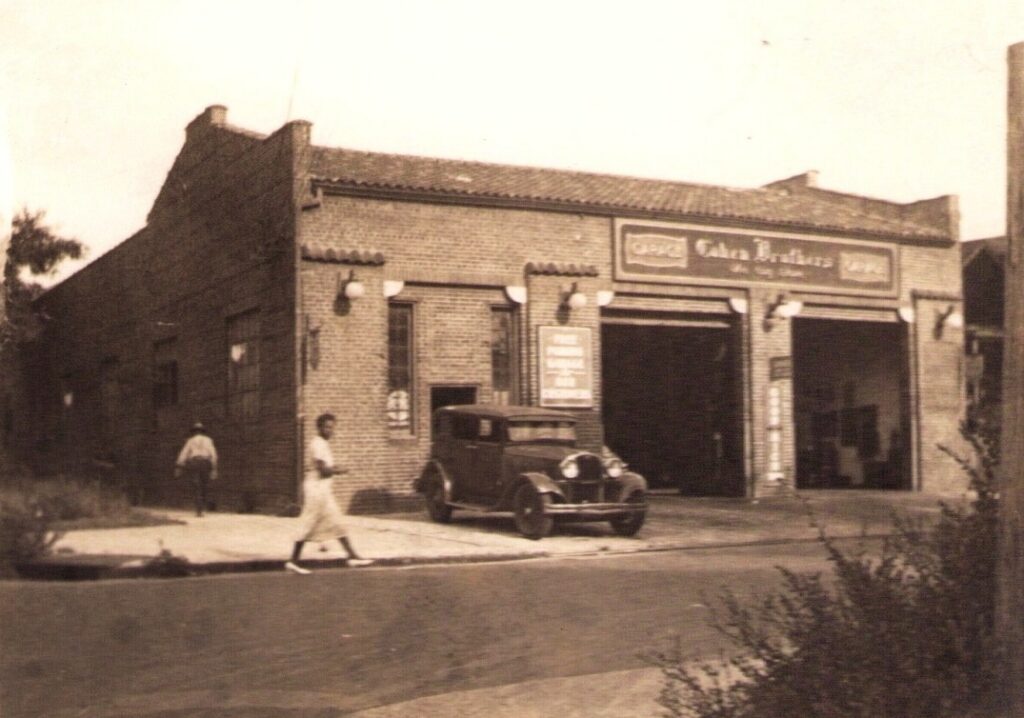
“Garage Buildings, Multi-Story, Class C, Type 2, Example V,” page 38, Jacksonville property appraiser guidelines for assessing value, c. 1935.
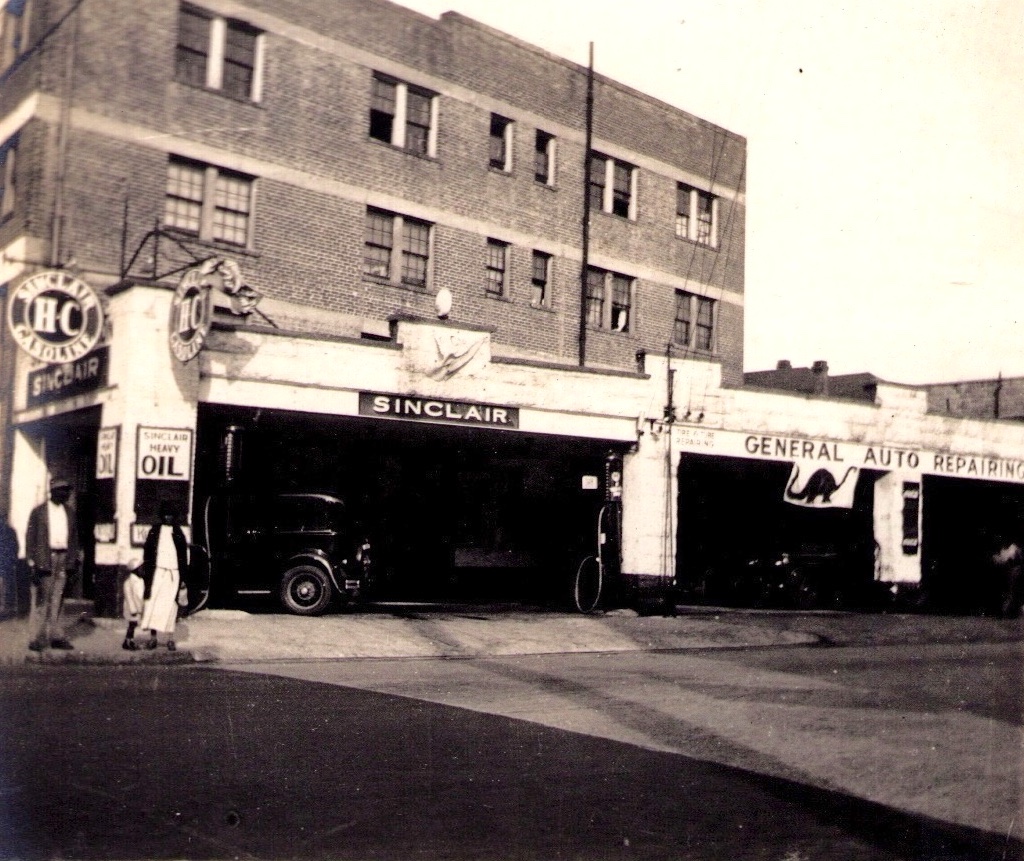
“Gas Stations, Class E, Cement Block,” page 45, Jacksonville property appraiser guidelines for assessing value, c. 1935.
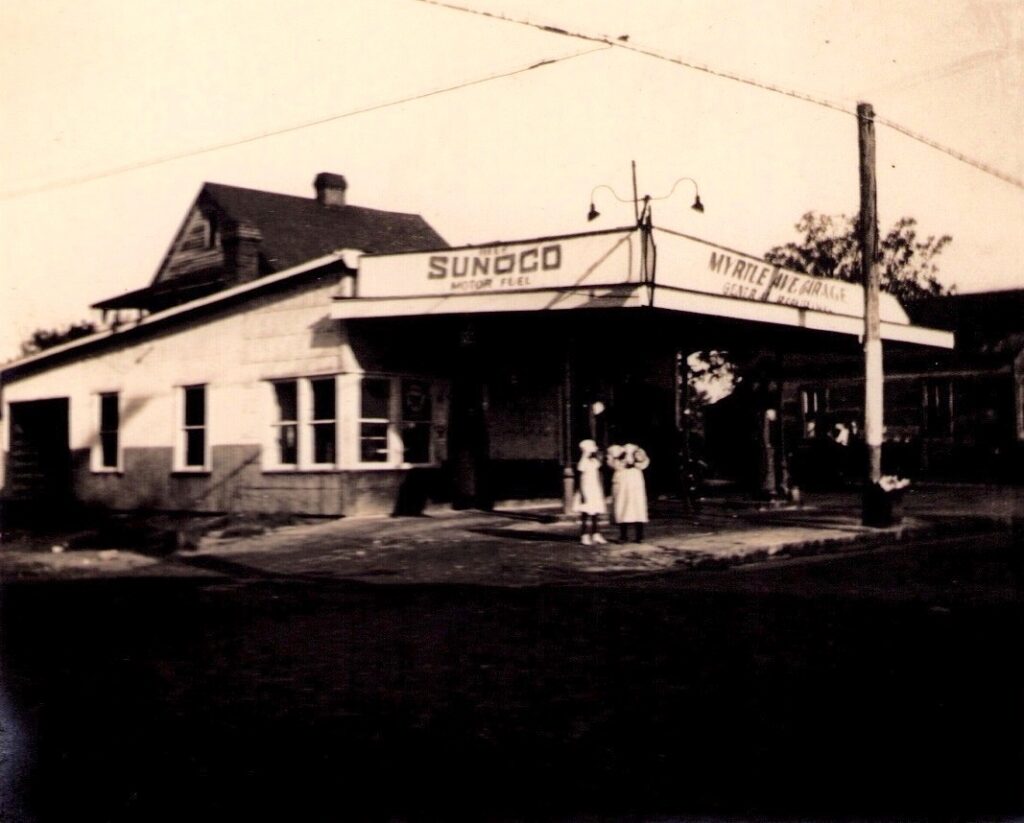
“Gas Stations, Class F, Frame,” page 46, Jacksonville property appraiser guidelines for assessing value, c. 1935.
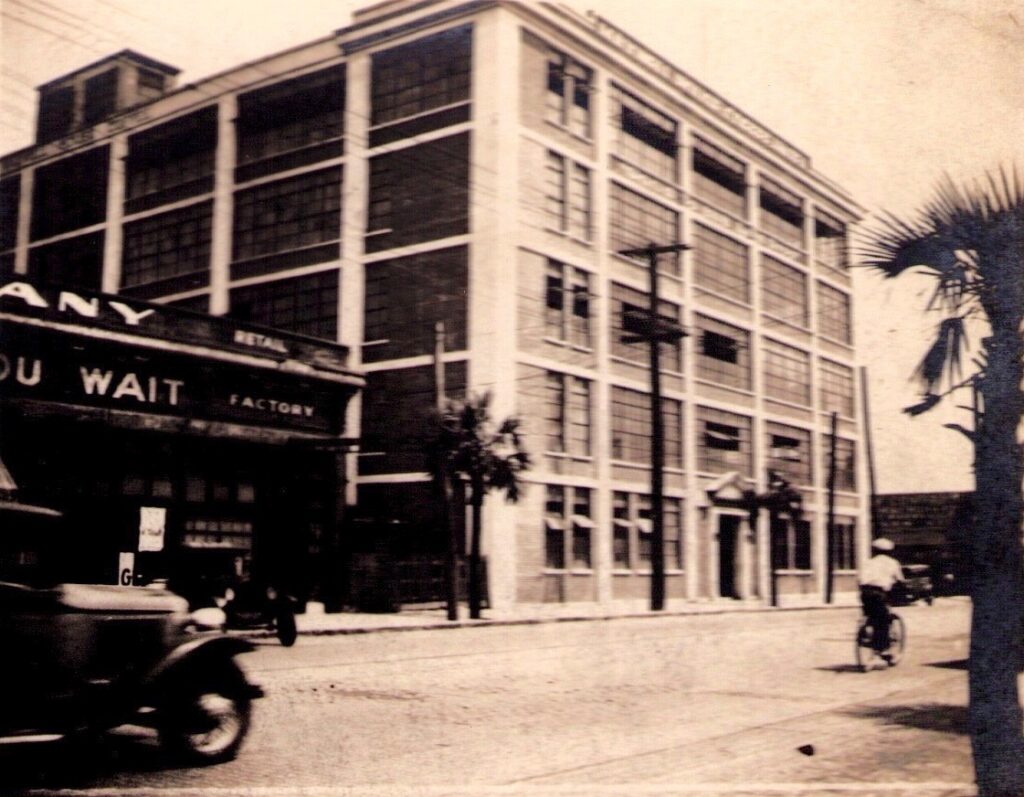
“Warehouses-Fireproof Types, Class A, Two & Three Stories & Multi Stories, Type 2 Fireproof,” page 47, Jacksonville property appraiser guidelines for assessing value, c. 1935.
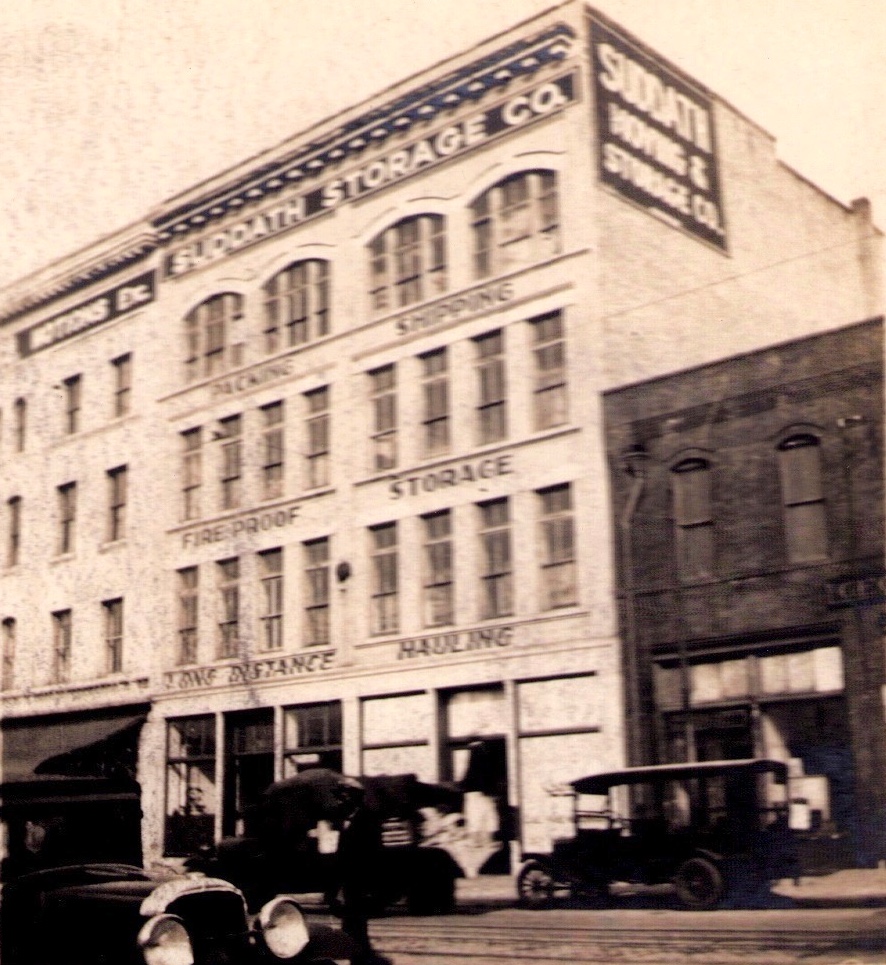
“Warehouses, Class B, Multi-Stories Fireproof Types, Type 1,” page 48, Jacksonville property appraiser guidelines for assessing value, c. 1935.
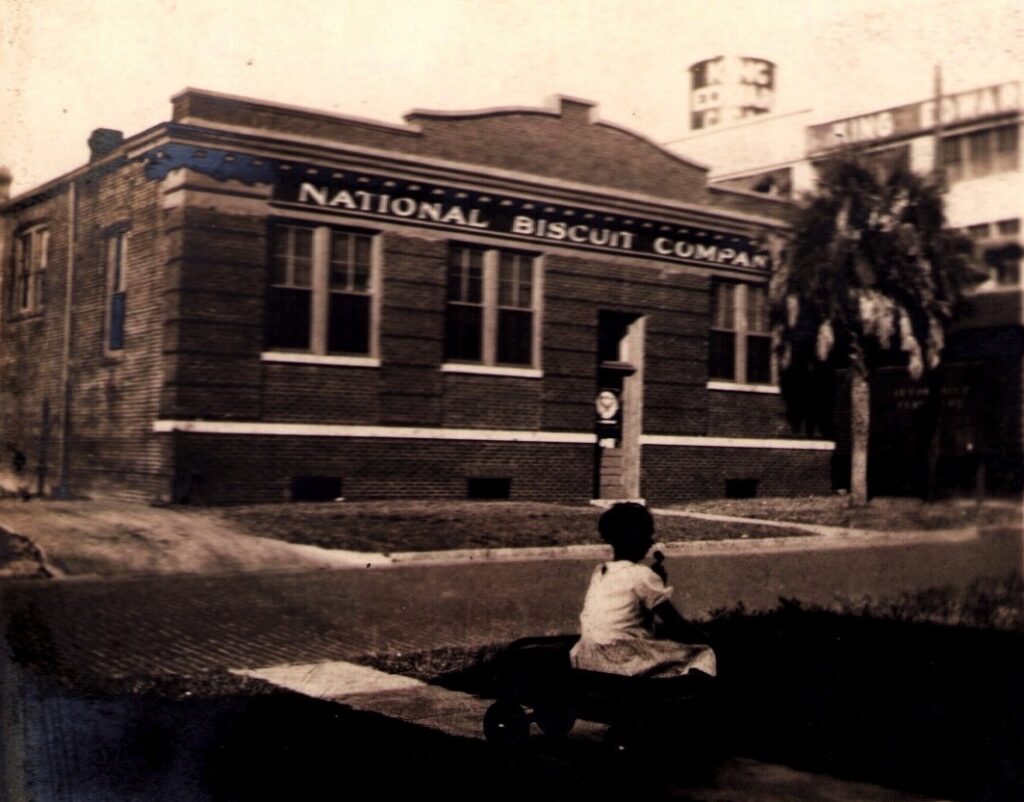
“Warehouses, Class D, One Story, Solid Brick,” page 51, Jacksonville property appraiser guidelines for assessing value, c. 1935.
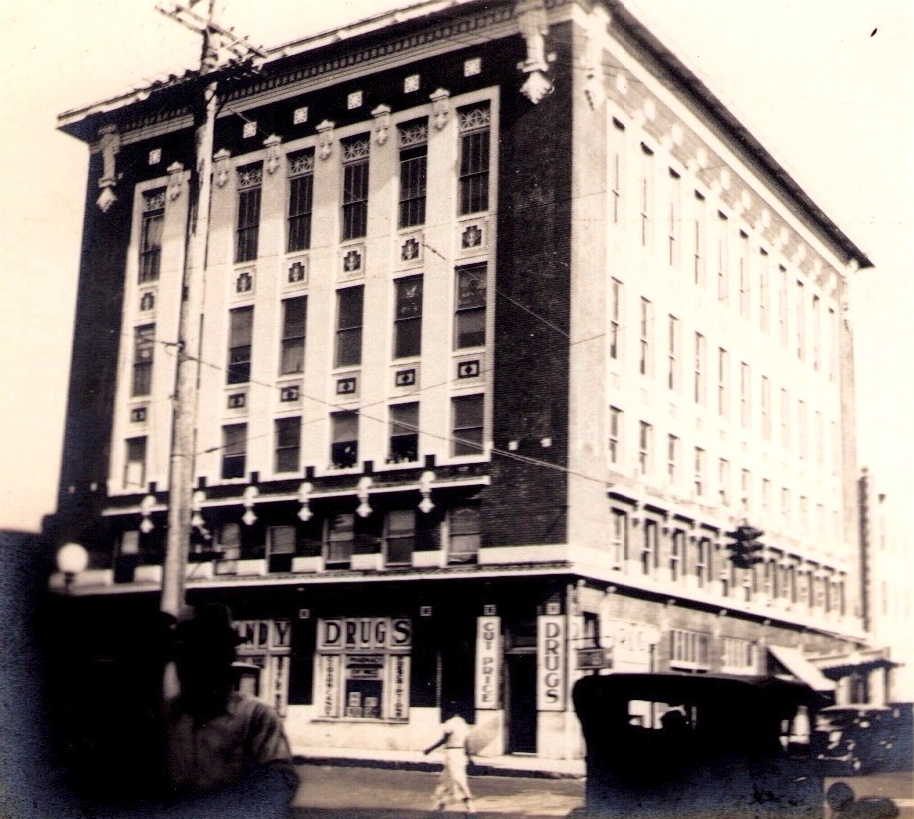
“Office Buildings, Class B, Multi-Stories, Group 2 Type 2,” page 63, Jacksonville property appraiser guidelines for assessing value, c. 1935.
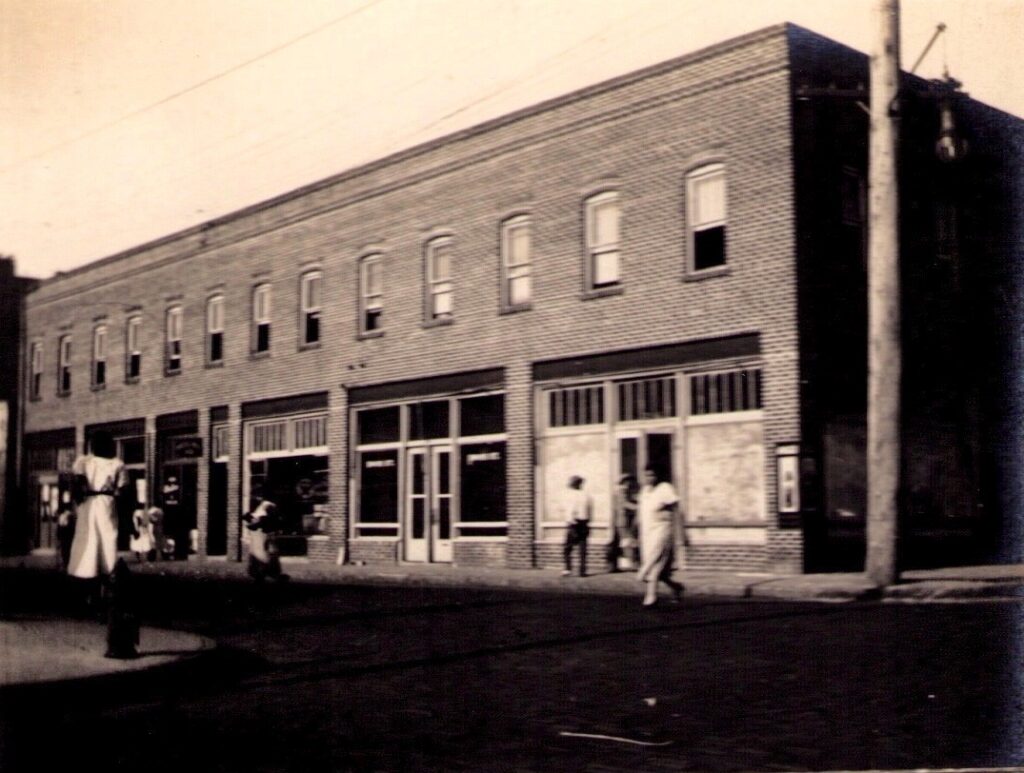
“Stores, Class E, Two or More Stories, Brick,” page 73, Jacksonville property appraiser guidelines for assessing value, c. 1935.
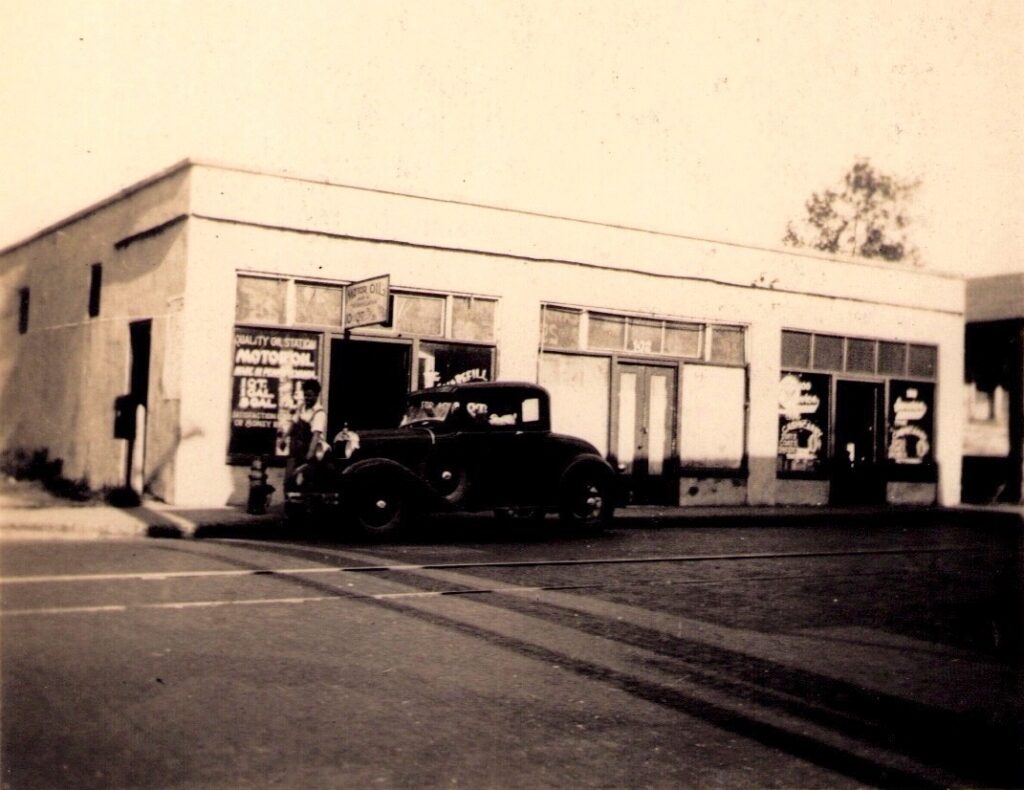
“Stores, Class F, One Story, Cement Block Stuccoed,” page 77, Jacksonville property appraiser guidelines for assessing value, c. 1935.
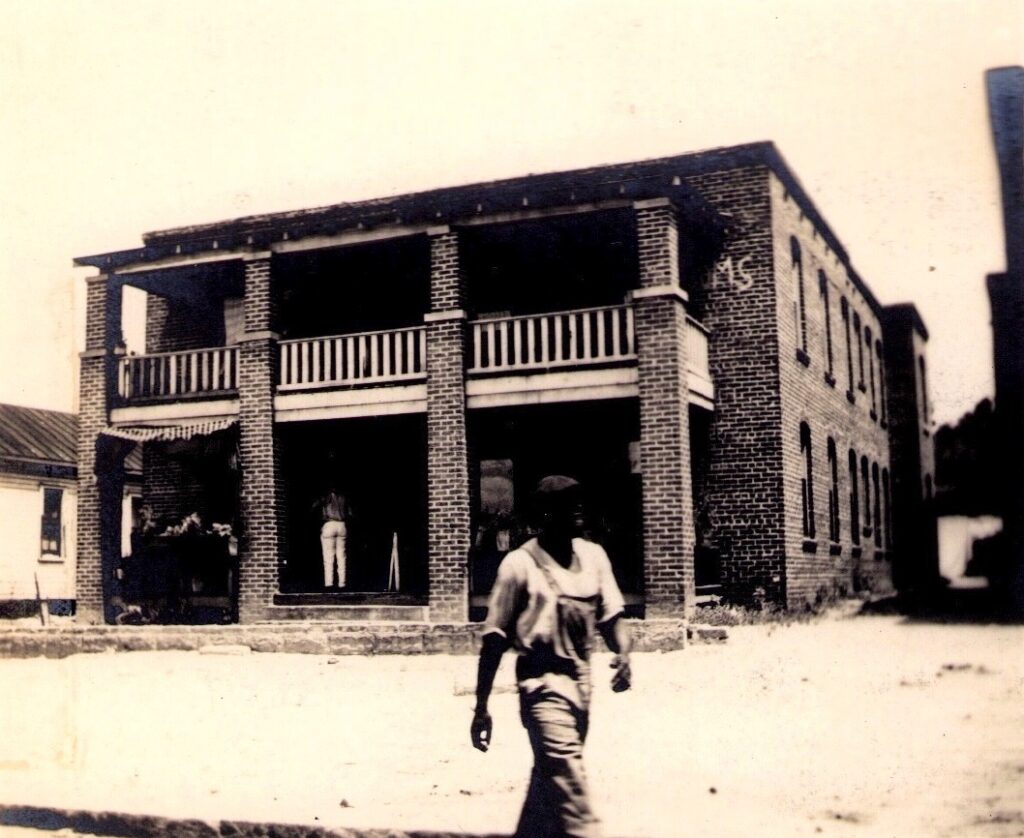
“Apartments, Class F, Brick or Brick Veneer,” page 82, Jacksonville property appraiser guidelines for assessing value, c. 1935.
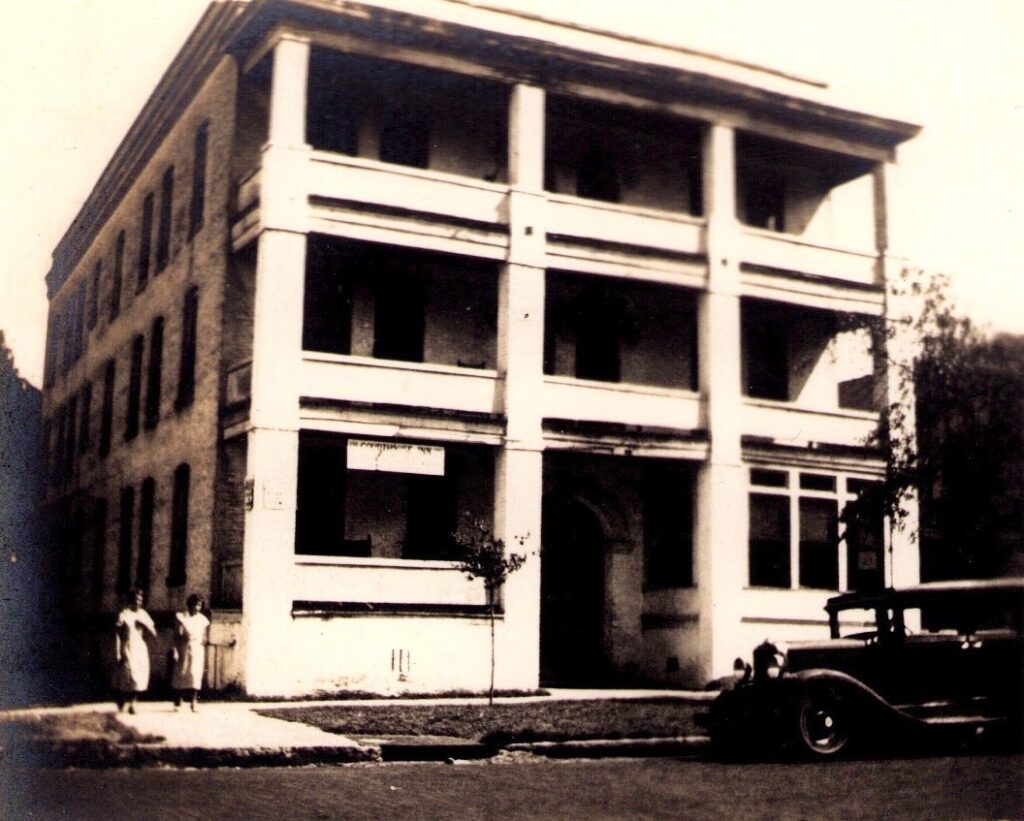
“Apartments, Class E, Solid Brick,” page 88, Jacksonville property appraiser guidelines for assessing value, c. 1935.
Recognize a person or property in one of the photographs? Please reach out to us at info@riversideavondale.org.